

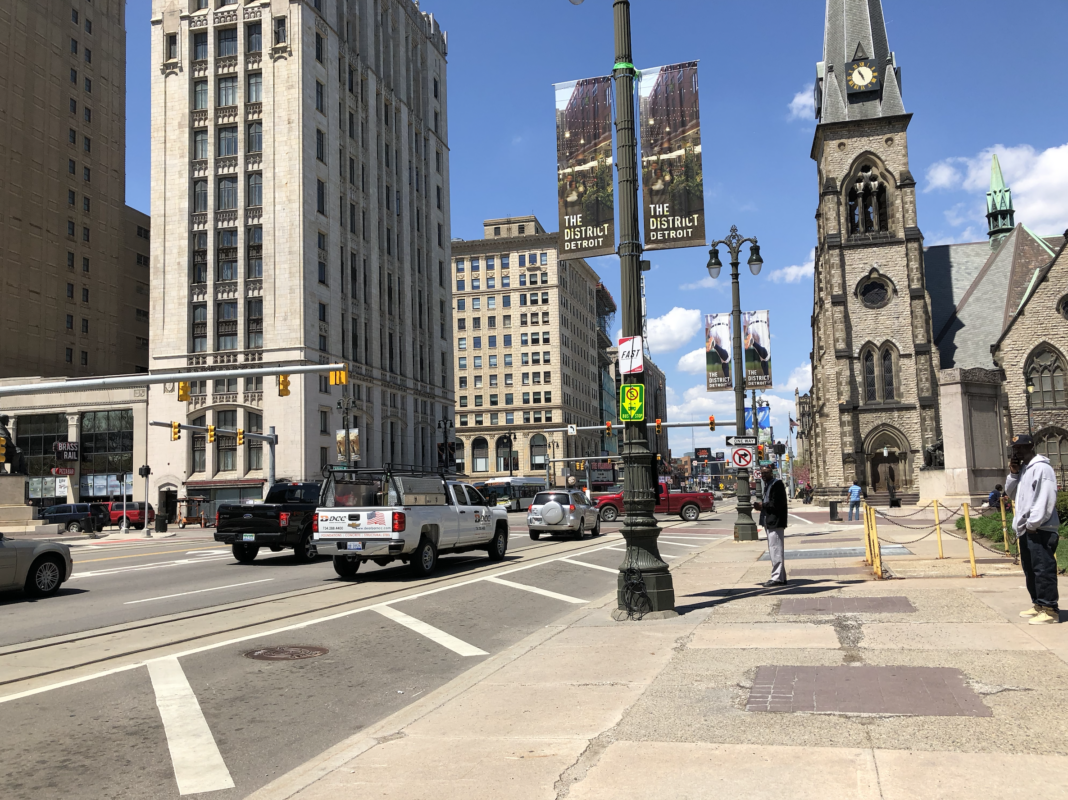
Keeping your family safe on Michigan roads starts with awareness and intentional driving habits. Michigan Auto Law recently released its 2024 list identifying the most dangerous intersections across the state, based on crash data from the Michigan State Police Traffic Crash Reporting Unit.
Rather than alarm drivers, the purpose of the report is to help families understand where the greatest risks exist and how to avoid them. With nearly one-third of all Michigan crashes occurring at intersections and about 30% of fatal crashes taking place there, knowing what areas require extra caution can make a real difference.
Where drivers should use extra caution
The report found that intersections near freeway ramps, busy retail zones and high-speed corridors remain the most crash-prone, especially during peak travel times and winter weather.
Instead of listing every intersection statistic individually, Michigan Auto Law highlights key trends that reveal where crash risks increase. Heavy traffic flow, complex lane patterns, left-turn movements, roundabouts and high-speed access points contribute significantly to intersection collisions.
Top 5 highest-risk intersections in Michigan (2024)
(Based on total crashes and injuries reported)
-
- 11 Mile Road / I-696 at Van Dyke Ave — Warren / Center Line
- 18 1/2 Mile Road at Van Dyke Ave — Sterling Heights (roundabout)
- Martin Parkway at N Pontiac Trail — Commerce Township (roundabout)
- Schoolcraft Road at Telegraph Road — Redford Township
- N Hamilton Street at Washtenaw Avenue — Ypsilanti

These intersections consistently rank high due to heavy commuter use, high speed limits and complex traffic flow.
Additional regions with repeated high-risk intersections
- Macomb and Oakland County: Multiple intersections on Van Dyke Avenue, Hall Road and 14 Mile Road.
- Wayne County: Congestion on Telegraph Road, Joy Road and Southfield Road.
- Washtenaw County: College-area traffic and roundabouts near Ann Arbor and Ypsilanti
- Grand Rapids region: Busy freeway interchanges and downtown entries
- St. Clair Shores / Lake areas: I-94 interchanges and heavy commuter zones
Instead of memorizing every location, drivers should remember the patterns: busy retail areas, left-turn intersections and freeway access points require the most caution.
How to keep your family safe at risky intersections
While crash numbers can be alarming, most intersection accidents are preventable. The leading causes include speeding, running red lights, failing to yield, improper left turns, distracted driving and impaired driving.
Practical habits that protect your family:
- Slow down and prepare to stop early when approaching intersections
- Never rush through a yellow light
- Put phones out of reach and eliminate distractions
- Use extra care when turning left
- Look both ways even when the light is green
- Leave additional travel time to avoid rushing
- Choose safer alternate routes
- Approach roundabouts with patience and awareness
- Increase caution during rain, snow or nighttime travel
Safe driving tips for teens and new drivers
Intersections are especially dangerous for inexperienced drivers, who often struggle with judgment and reaction timing. Parents can help build confidence and reduce risk through proactive coaching.
How to support your teen driver
- Practice approaching intersections at different times of day and weather conditions
- Teach defensive driving: assume other drivers might not follow the rules
- Establish a strict no-phone rule, no exceptions
- Explain when and why to avoid left turns
- Model safe habits while driving together
- Review alternate routes to avoid high-risk intersections
- Encourage speaking up about unsafe situations
Conversations about safety can be more effective than lectures—especially after real driving experiences.
Awareness and intentional driving habits are the strongest tools families have for staying safe on Michigan roadways. Understanding the most dangerous intersections and learning the patterns behind them, helps drivers make smarter choices and reduce preventable accidents.
Whether you’re running errands, commuting to work or teaching a teen to drive, staying alert and practicing good safety habits makes a difference. Michigan Auto Law encourages families to review the full report and use these insights to build safer driving routines that protect everyone on the road.