


Back-to-school season can stir up more than just nerves. For some students, anxiety grows so intense that it leads to missed school days — a challenge known as school refusal anxiety.
While every child might occasionally complain of a stomachache or say they don’t want to go, chronic avoidance is a different story. Left unchecked, it can snowball into long-term academic, social and emotional struggles.
Anxiety is now one of the leading reasons students miss school
Nationally, anxiety has become a leading driver of absences. According to a 2023 survey from the EdWeek Research Center, 16% of students said they missed school because of anxiety. It’s the top non-illness reason for staying home, just after bad weather. Another 12% said they were too sad or depressed to attend.
Here in Michigan, the issue mirrors national concerns. State data from the Michigan Department of Education shows that nearly 31% of students were chronically absent during the 2022–23 school year. While attendance has improved for the past two years, education leaders say too many students are still missing class.
What can you do when your child’s anxiety is the barrier?
Understanding school refusal anxiety
Mara Husband, Limited Licensed Psychologist and Adult Outpatient Program Manager at Lincoln Behavioral Services in Redford, explains that anxiety often shows up in physical complaints: headaches, stomachaches, dizziness or chest pain.
“Parents naturally want to help their child feel better,” she says. “But when staying home becomes the solution, it can reinforce avoidance — and make the anxiety stronger over time.”
This cycle can lead children to view themselves as sick or make school feel overwhelming. Husband emphasizes that it’s not about blaming parents, but about giving them tools to shift the pattern.
The SPACE model supports parents first
One evidence-based approach is called SPACE (Supportive Parenting for Anxious Childhood Emotions). Instead of focusing directly on the child, SPACE works with parents to change how they respond.
“Parents tend to swing between being overly protective — ‘That’s okay, you can stay home’ — or overly demanding — ‘Stop whining and just go,’” Husband explains. “Supportive statements find the middle ground: acknowledging the struggle while showing confidence in the child’s ability to cope.”
For example:
“I know this feels really hard for you, but I’m confident you can handle it.”
Over time, this blend of acceptance and confidence helps reduce anxiety-driven avoidance.
Signs parents should watch for
Not every morning meltdown is cause for concern. But if your child consistently reports vague physical symptoms before school, only to improve once staying home is an option, they may be experiencing anxiety. Red flags include:
- Missing more than two school days per month
- Complaints of stomachaches or headaches that repeat in a pattern
- Sudden drop in interest in school, activities or friends
- Withdrawal or increased isolation
When in doubt, Husband urges parents to rule out medical issues first, then look for anxiety as a possible factor.
First steps parents can take
- Keep expectations clear. School is not optional. Frame attendance as a non-negotiable while still expressing support
- Stay connected with teachers. Don’t wait until absences pile up. Reach out early to check in on attendance and performance
- Limit home perks. If a child stays home, avoid access to video games, TV or fast food deliveries. The day should feel like a school day
- Recruit allies. Teachers, counselors, mentors and even friends who can walk your child into school can make a difference
- Use available resources. Many schools offer in-house mental health supports and community organizations like the Boys and Girls Clubs of Southeastern Michigan or the Student Advocacy Center of Michigan provide mentoring and guidance
Why school attendance matters
Missing school doesn’t just mean missed lessons. Chronic absenteeism has been linked to worse mental health, fewer opportunities later in life and weaker social connections.
Husband says that students who stay home often spend more time online or gaming, further isolating themselves from peers.
But she stresses hope. “Parents often feel blamed when their child refuses school. In reality, most would struggle in the same situation. What matters is reaching out for support and not giving up.”
A resource to explore
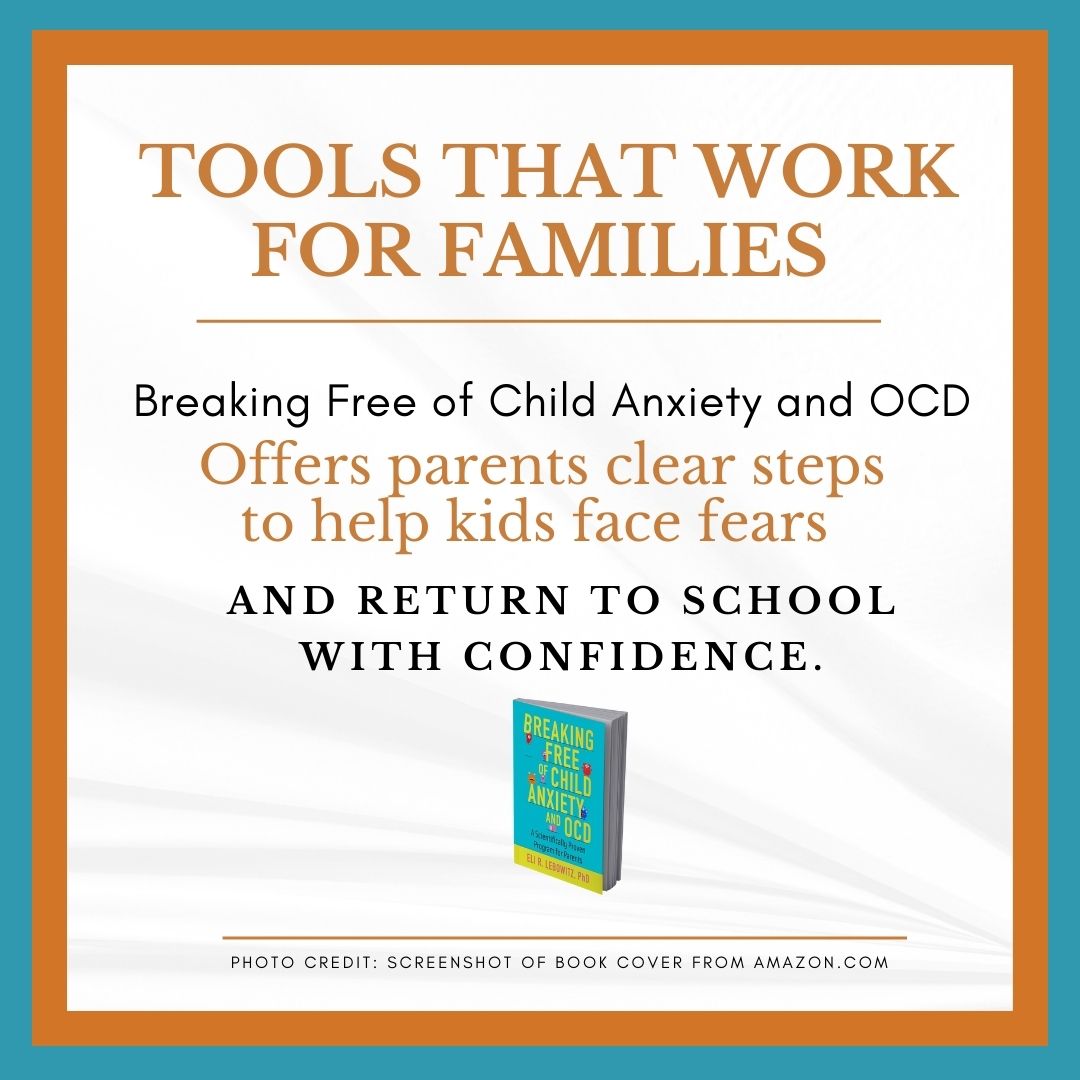
For families who want to start at home, Husband recommends Breaking Free of Child Anxiety and OCD, a self-help book by Dr. Eli Lebowitz, the developer of the SPACE model. It offers step-by-step guidance for parents to shift how they respond to their child’s anxiety.
Supporting confidence, one day at a time
Anxiety-driven truancy is more common than many realize, but it’s not insurmountable. By staying connected, setting consistent boundaries and adopting supportive strategies, parents can help their children regain confidence and re-engage with school.
This content is sponsored by the Ethel and James Flinn Foundation. Visit flinnfoundation.org.
Find more articles like this at Metro Parent’s A Parent’s Guide to Family Mental Health.